

Kidney Bean Science Corner
The science, safety and traditional wisdom of kidney beans, from resistant starch and polyphenols to rajma, soaking and slow cooking.

This post takes a closer look at kidney beans, from its nutritional and functional compounds to its place in the kitchen. Science Corner is where I bring together evidence, traditional knowledge, and the everyday practice of cooking. My perspective is shaped by a life spent between clinic work, research, and the stove, and I hope to make these ideas clear, grounded, and relevant.
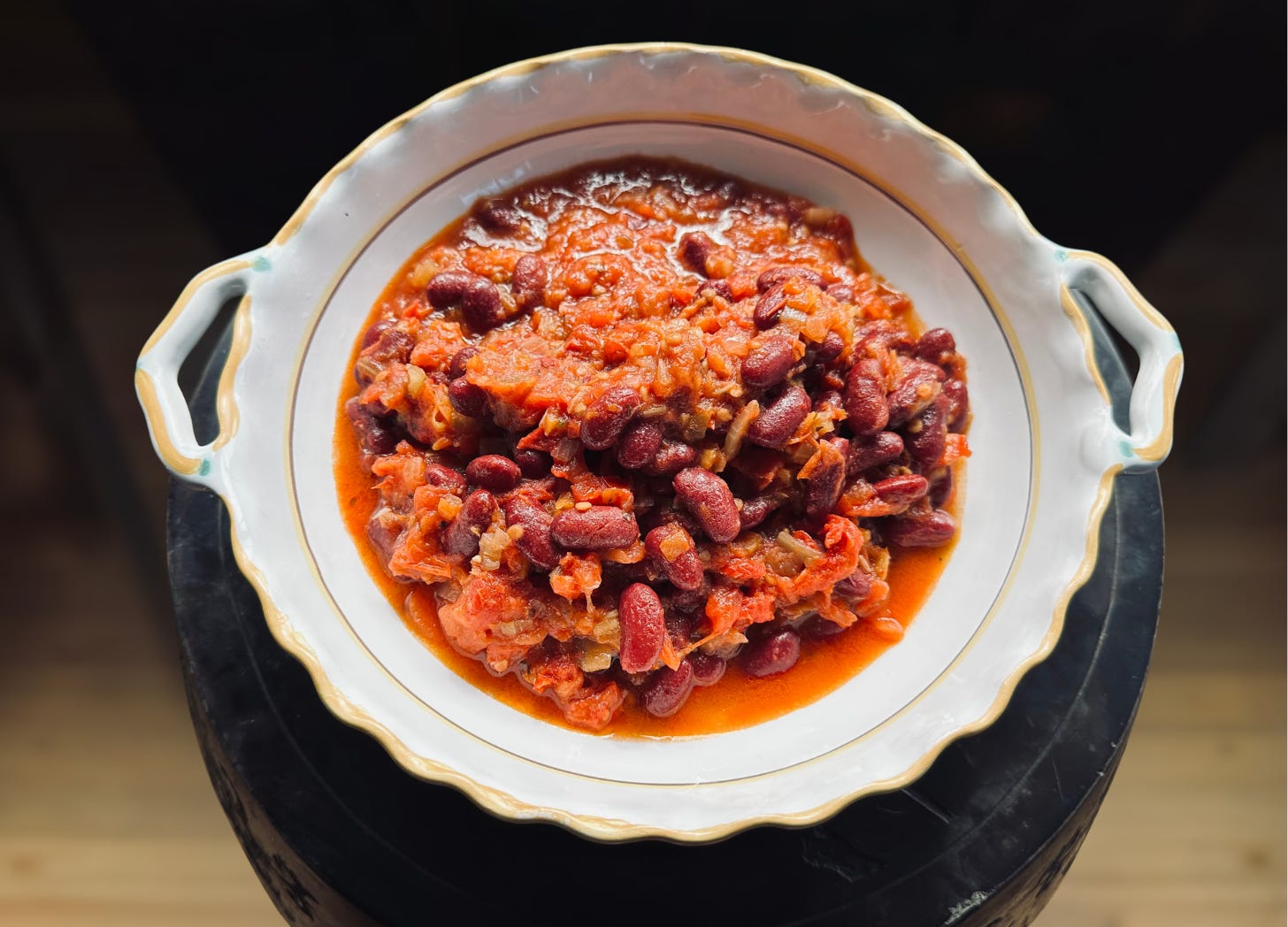
Kidney beans are one of those foods that sit at the meeting point of nourishment, caution and memory. They are generous, economical and deeply satisfying, but they ask for knowledge before they give themselves fully. A kidney bean is not simply a small red pulse waiting for the pot. It is a seed, with all the protective chemistry, stored nourishment and structural resilience that a seed carries.
In the kitchen, this is important, as kidney beans need soaking, proper cooking and patience. Once prepared well, they become the foundation of some of the world’s most comforting dishes: rajma and rice, chilli, bean soups, slow-cooked pots, salads, stews and festival foods. They offer protein, fibre, minerals, resistant starch and a deep sense of satiety.
In this Science Corner, I am looking at kidney beans as plants, seeds, foods and cultural companions. We will move from their botanical background and nutritional composition to their bioactive compounds, health evidence, traditional use and safe preparation. Along the way, kidney beans reveal themselves as both humble and complex: a pantry staple with a rich chemistry, a long history, and a need for careful cooking.

Before kidney beans arrive in the kitchen as rajma, chilli, soup or a slow-cooked pot of beans, they begin as part of a much larger botanical family.
Kidney beans belong to Phaseolus vulgaris L., the common bean, a herbaceous annual plant in the legume family, Fabaceae. This places them among the pod-bearing plants that have fed humans for thousands of years, alongside lentils, chickpeas, peas, soybeans, mung beans and many other pulses. Within the genus Phaseolus, P. vulgaris is the most widely cultivated and consumed species, and includes many familiar dry beans such as navy beans, black beans, pinto beans, cranberry beans and kidney beans.
English: red kidney bean, kidney bean, common bean
Hindi and Urdu: rajma, rajmah
Spanish: frijol, alubia
Italian: fagiolo
French: haricot rouge
Portuguese: feijão
Persian: lubia
Arabic: fasolia
Chinese: Hóng Yāo Dòu
The plant itself may grow as a bush, a semi-climbing plant or a vine, depending on the variety. It produces green trifoliate leaves, flowers, pods and seeds. When the pods are harvested young, they are eaten as green beans or French beans. When the seeds are allowed to mature and dry, they become the dry beans we soak, simmer, pressure cook and fold into soups, stews, curries and salads.
The name “kidney bean” comes from the seed’s curved, kidney-like shape. Kidney beans may be red, dark red, light red, pink, white, purple or speckled, with red kidney beans being the form many of us recognise most easily. In India, kidney beans are widely known as rajma or rajmah, names that carry the warmth of the kitchen as much as the precision of the marketplace.
The common bean has deep roots in the Americas, with domestication associated with both Mesoamerican and Andean centres. From there, Phaseolus vulgaris travelled widely, adapting to new soils, climates and food cultures. Its great gift has always been its practicality: a durable seed, easily stored, rich in nourishment, and capable of becoming generous food with water, heat, time and care.

Nutritional Composition
Kidney beans are a substantial dry legume, valued for their combination of plant protein, complex carbohydrate, fibre and minerals. As shown in Table 1, dry dark red kidney beans are naturally low in fat, but provide meaningful amounts of protein, starch, potassium, magnesium, phosphorus, iron, zinc, copper and manganese.
Table 1. Nutritional composition of red kidney beans per 100 g, uncooked versus cooked
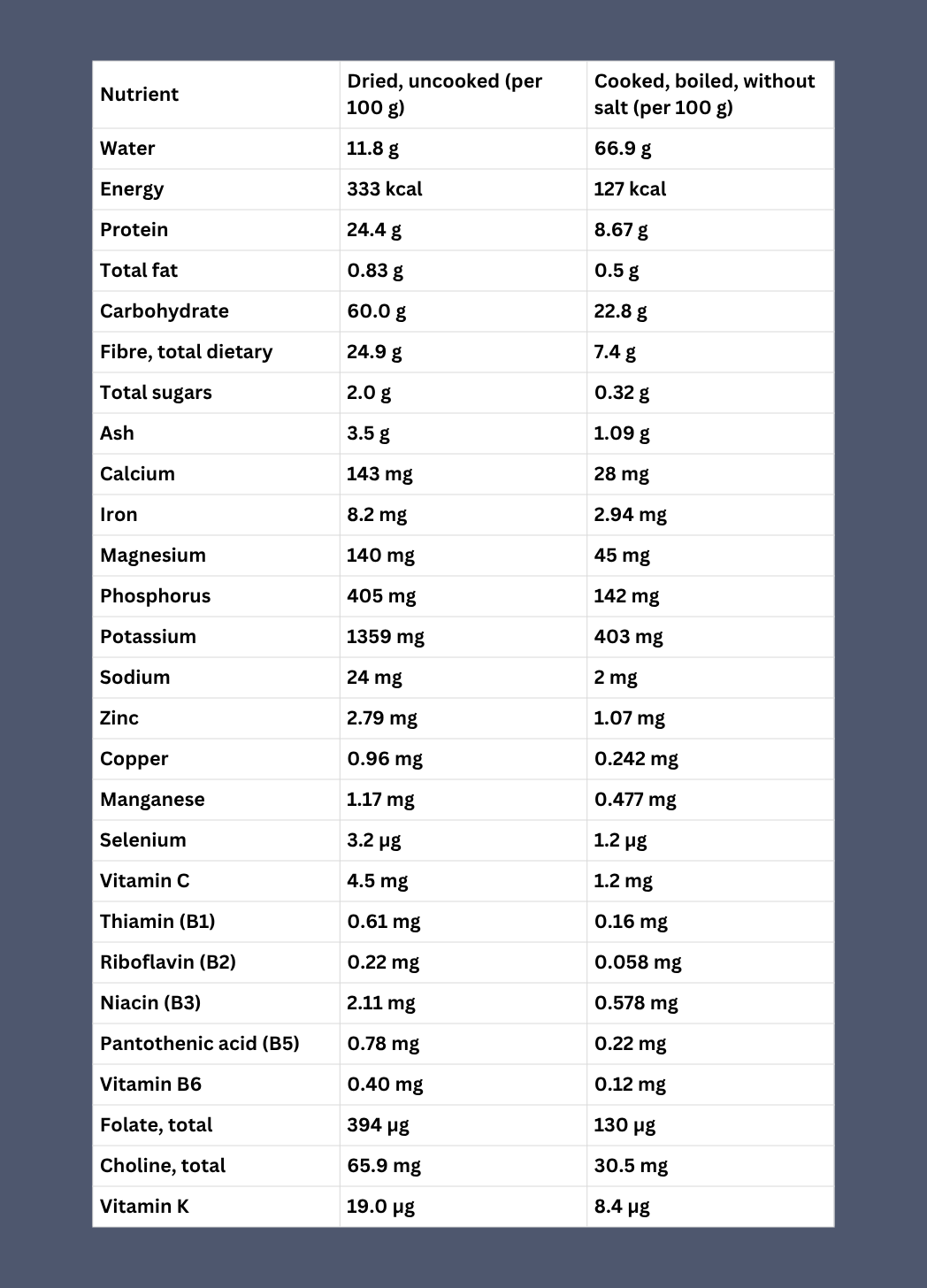
The protein content is one of their strengths. Like other common beans, kidney beans are particularly useful in plant-based meals because they provide lysine, an amino acid that is often lower in cereal grains. This is one reason beans and grains sit together so naturally in traditional food cultures, from rice and beans to rajma with rice or flatbread.
Their carbohydrate profile is equally important. Kidney beans are not simply a starchy food. They contain a mixture of starch, fibre and resistant starch, giving them a slower digestive profile than many refined carbohydrate foods. Xu et al. reported that resistant starch made up 70.90 to 83.12% of total starch across seven kidney bean varieties, and all seven varieties were classified as low glycaemic index foods, with GI values between 32.47 and 52.99.
This means kidney beans offer both nourishment and steadiness. They bring protein and minerals to the meal, while their fibre and resistant starch help slow digestion and support a more gradual glycaemic response.
Layman’s Notes
Kidney beans are not just protein and they are not just carbohydrate. They are a slow, sturdy food made from protein, fibre, starch and minerals held together in one seed.
Their value lies in the whole package. They help make a meal sustaining, they bring useful minerals, and their resistant starch and fibre mean they digest more slowly than many refined starch foods. This is why a bowl of kidney beans can feel so grounding, generous and steadying.

Bioactive & Functional Compounds
Kidney beans are rich in bioactive and functionally important compounds that help explain their antioxidant activity, low glycaemic behaviour, prebiotic potential and metabolic interest. These same compounds also account for some of the cautions around preparation, because kidney beans are seeds, and seeds come with their own protective chemistry.
The most important compound groups include phenolic compounds, flavonoids and pigments, resistant starch, fermentable fibres, alpha-amylase inhibitors, lectins, protease inhibitors, phytic acid, tannins, saponins and bioactive proteins. Some sit mainly in the coloured seed coat. Others are held in the cotyledon, the inner part of the bean where starch and protein are stored.
Table 2A. Major polyphenols and related bioactive compounds in kidney beans and their general activities.
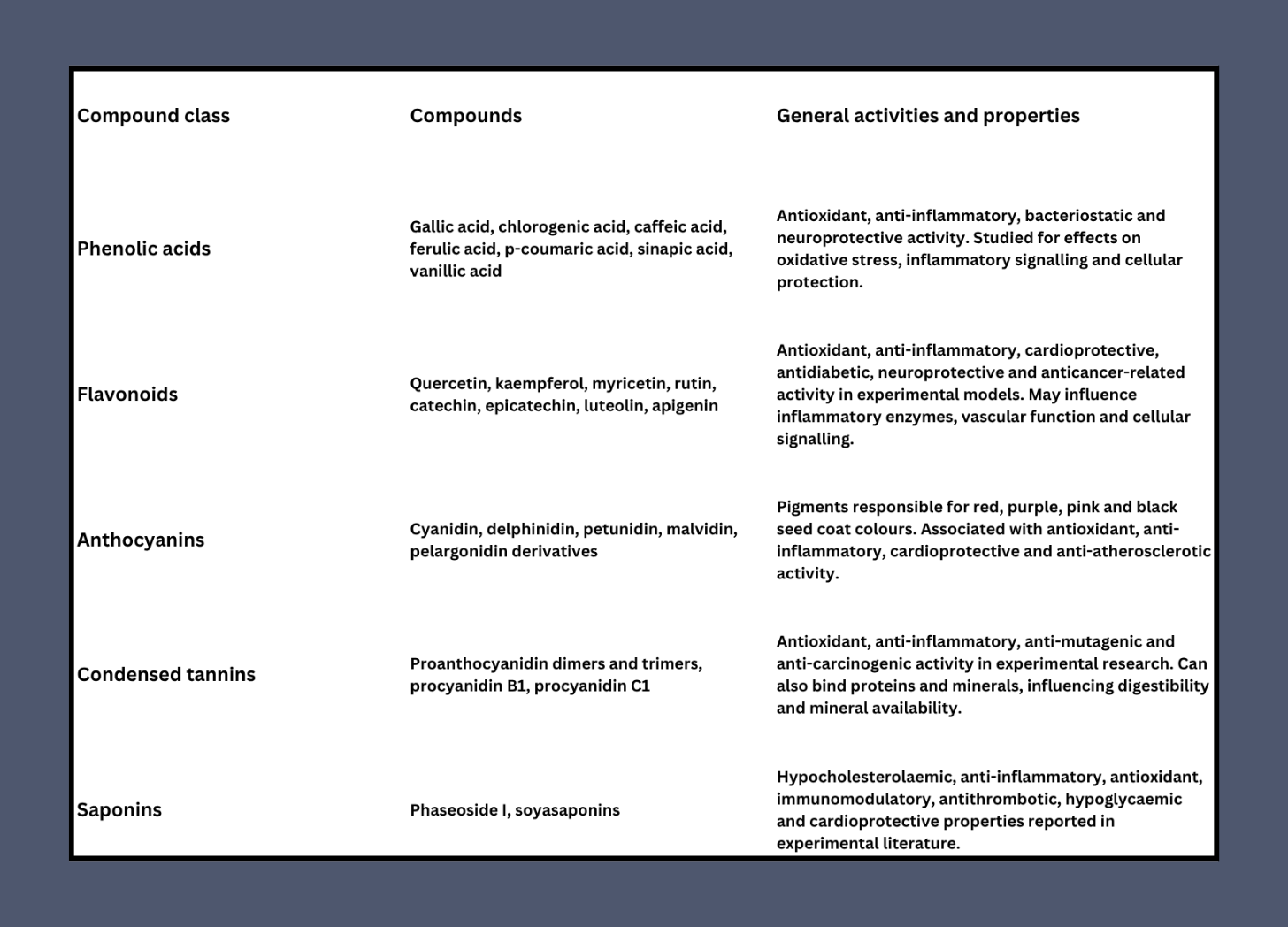
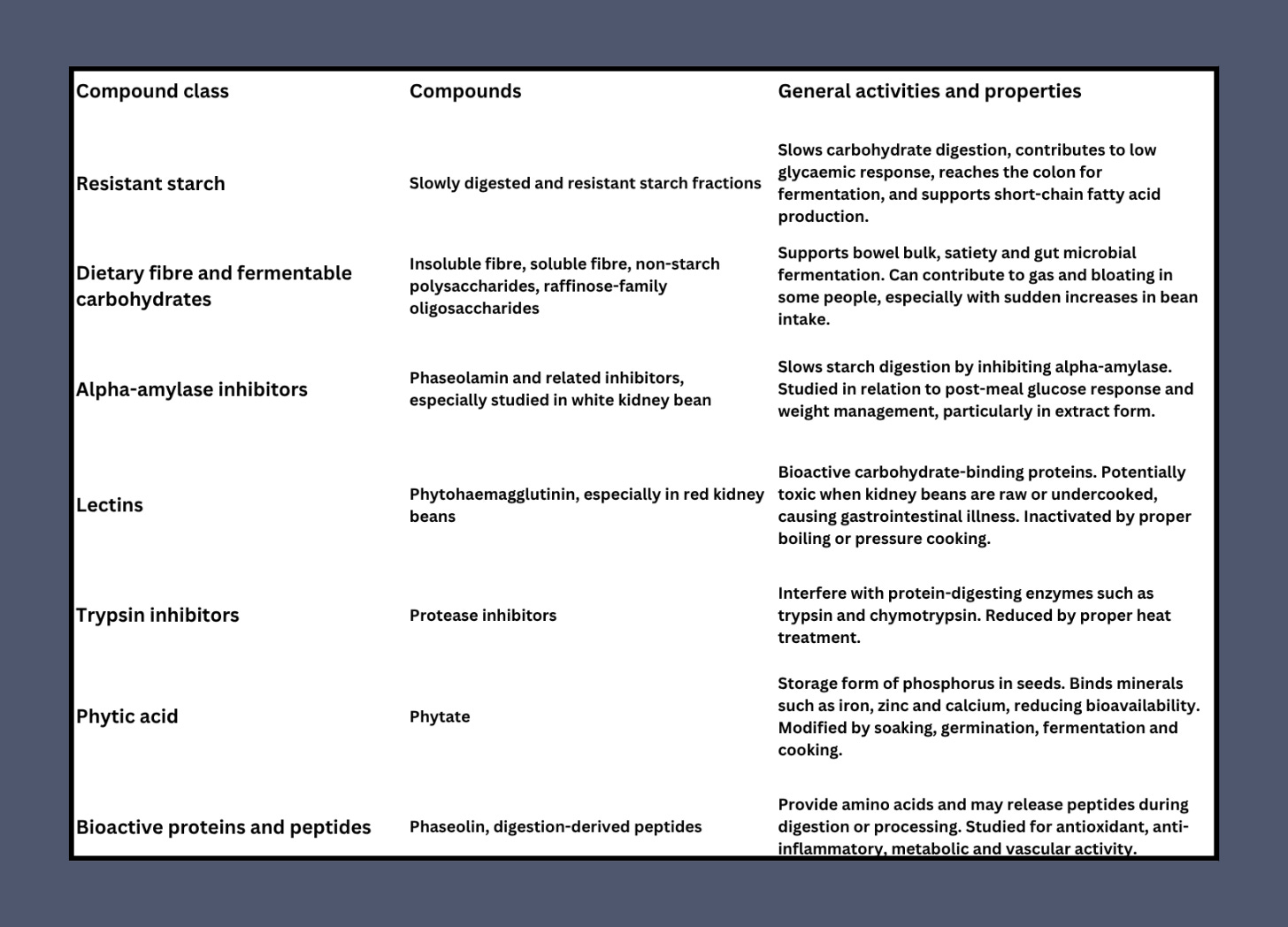
Table 2A summarises the major polyphenols and related bioactive compounds found in kidney beans and other common beans, drawing especially on Bernardi et al. Table 2B summarises the functional carbohydrate fractions, enzyme inhibitors and anti-nutritional compounds that influence digestion, fermentation, mineral availability and safety.
Table 2B. Functional food components and anti-nutritional factors in kidney beans and their general activities
Phenolic compounds
Phenolic compounds are among the most important bioactive constituents of kidney beans. Gallic acid is a dominant phenolic reported in kidney beans, with other compounds including chlorogenic acid, catechin, p-hydroxybenzoic acid, ferulic acid, rutin and related flavonoids. Xu et al. found that kidney bean varieties differed in their phenolic profile, with darker and speckled beans generally containing more total phenolics and flavonoids than white beans.
These phenolics contribute to antioxidant activity and may also influence starch digestion and gut microbial metabolism. Bernardi et al. describe phenolic acids in common beans as compounds associated with antioxidant, anti-inflammatory, bacteriostatic and neuroprotective activity in experimental literature.
In the bean itself, phenolics belong largely to the seed coat, especially in coloured beans. This is why the skin of a kidney bean should not be thought of as a simple covering. It is one of the most chemically active parts of the seed.
Flavonoids and pigmented compounds
Flavonoids are a major subgroup of bean polyphenols. In common beans, these include quercetin, kaempferol, myricetin, rutin, catechin and epicatechin. Bernardi et al. describe flavonoids as having antioxidant, anti-inflammatory, cardioprotective, antidiabetic, neuroprotective and anticancer-related activity in experimental models.
Anthocyanins are the pigmented flavonoids responsible for much of the red, pink, purple and black colouring in bean seed coats. These include compounds related to cyanidin, delphinidin, petunidin, malvidin and pelargonidin. Yang et al. note that common bean polyphenols are concentrated mainly in the seed coat, with darker beans generally showing higher polyphenol content and antioxidant activity than lighter beans.
For kidney beans, this means colour is not only cosmetic. The red, pink, purple or speckled surface of the bean reflects real differences in seed-coat chemistry.
Condensed tannins
Condensed tannins, also known as proanthocyanidins, are concentrated mainly in the seed coat. They contribute to colour, astringency and the seed’s natural protection. Bernardi et al. list condensed tannins among the major bioactive compounds in common beans, with reported antioxidant, anti-inflammatory, anti-mutagenic and anti-carcinogenic activity in experimental research.
Tannins also have a more complicated nutritional role. They can bind proteins and minerals, which may reduce protein digestibility or mineral availability in some circumstances. This is why they are sometimes described as anti-nutritional factors. In kidney beans, however, they are not simply “bad” compounds. They are part of the seed-coat chemistry that gives coloured beans both their functional interest and some of their digestive complexity.
Saponins
Saponins are plant compounds with both water-loving and fat-loving properties. In common beans, Bernardi et al. identify phaseoside I and soyasaponins among the reported saponins. Their general activities include hypocholesterolaemic, anti-inflammatory, antioxidant, immunomodulatory, antithrombotic, hypoglycaemic and cardioprotective properties in experimental literature.
In food amounts, saponins should be understood as part of the broader bean matrix rather than as isolated therapeutic agents. They may contribute to the cardiometabolic and anti-inflammatory interest in beans, but their effects are likely to be subtle within the whole cooked food.
Alpha-amylase inhibitors
Kidney beans contain natural alpha-amylase inhibitor proteins. Alpha-amylase is the enzyme involved in breaking starch into smaller sugars. By reducing alpha-amylase activity, these inhibitors can slow starch digestion.
Xu et al. measured alpha-amylase inhibitor activity across seven kidney bean varieties, with values ranging from 1.659 to 4.162 U/g dry weight. This helps explain why kidney beans have attracted interest in relation to post-meal glucose response. White kidney bean extracts have also been studied as nutraceuticals for weight management, although this extract research should be kept separate from the ordinary culinary use of whole cooked kidney beans.
In whole kidney beans, alpha-amylase inhibitors work within a much larger food structure that also contains resistant starch, fibre, protein and polyphenols.
Resistant starch and slowly digestible starch
Resistant starch is one of the most important functional components of kidney beans. It resists digestion in the small intestine and passes into the colon, where it can be fermented by gut bacteria.
Xu et al. reported that resistant starch accounted for 70.90 to 83.12% of total starch across seven kidney bean varieties. The same study found that all seven varieties had a low glycaemic index, ranging from 32.47 to 52.99, with resistant starch appearing to make the dominant contribution to this low GI behaviour.
This is one of the reasons kidney beans feel so sustaining. They are carbohydrate-rich, but their starch is held within a structure that digests more slowly than refined starch foods.
Prebiotic substrates and short-chain fatty acid precursors
Kidney beans contain resistant starch, dietary fibre, non-starch polysaccharides and fermentable oligosaccharides. Some of these compounds escape digestion in the upper gut and reach the colon, where they become substrates for microbial fermentation.
Weng et al. examined kidney beans in an in vitro colonic fermentation model and found that they supported the growth of beneficial microbial groups, including Bifidobacterium, and increased production of lactic acid and short-chain fatty acids, including acetic, propionic and butyric acids. The strongest butyrate production occurred in beans rich in both resistant starch and phenolics, and was linked mainly to the butyryl-CoA: acetate CoA-transferase pathway.
This evidence is mechanistic rather than clinical, but it gives a useful explanation for why kidney beans may be valuable for gut microbial metabolism. It also explains why beans can produce gas and bloating in some people. Fermentation is useful, but it can be noticeable.
Lectins
The most important lectin in kidney beans is phytohaemagglutinin, especially concentrated in red kidney beans. Lectins are carbohydrate-binding proteins and form part of the bean’s natural defence system. He et al. describe Phaseolus vulgaris lectins as biologically active proteins that can bind to intestinal epithelial surfaces and affect gut function when beans are raw or inadequately cooked.
This is the compound group with the greatest food safety relevance. Raw or undercooked kidney beans can cause acute gastrointestinal symptoms because of active lectins. At the same time, lectins have drawn scientific interest in immunological and antitumour research, but those potential uses belong to controlled biomedical contexts, not ordinary culinary practice.
For the kitchen, the message is simple: kidney bean lectins must be inactivated by proper boiling or pressure cooking.
Protease inhibitors and other enzyme inhibitors
Kidney beans contain trypsin inhibitors and other enzyme-active compounds that can interfere with protein digestion when beans are raw or inadequately processed. Zhang et al. identify trypsin inhibitors as one of the major non-nutritional factors in kidney beans, alongside lectins, phytic acid, tannins and saponins.
These compounds can reduce protein digestibility by inhibiting digestive enzymes such as trypsin and chymotrypsin. They are substantially reduced by proper heat treatment, which is one reason cooking improves not only the texture of kidney beans, but also their nutritional usefulness.
Phytic acid
Phytic acid, or phytate, is the main storage form of phosphorus in seeds, grains and legumes. In kidney beans, it can bind minerals such as iron, zinc, calcium and magnesium, reducing their bioavailability. Zhang et al. describe phytic acid as interacting with minerals, proteins and digestive enzymes, which helps explain its anti-nutritional reputation.
This does not mean kidney beans are poor mineral foods. It means that their mineral value is shaped by preparation and meal context. Soaking, germination, fermentation and cooking can all influence phytate levels and mineral availability.
Functional food potential
The functional food potential of kidney beans comes from the combination of these compounds, not from any single one of them. Phenolics and flavonoids contribute antioxidant and anti-inflammatory activity. Resistant starch and fibre influence glycaemic response and gut fermentation. Alpha-amylase inhibitors slow starch breakdown. Saponins, peptides and other compounds may contribute to cardiometabolic effects. Lectins, trypsin inhibitors, phytate and tannins remind us that preparation is essential.
Cooking and processing alter the availability and impact of these compounds. Soaking, boiling, pressure cooking, germination and fermentation can reduce lectins, trypsin inhibitors, tannins and some other anti-nutritional factors, while also changing starch digestibility and microbial fermentability. Zhang et al. describe this as the passivation of non-nutritional factors, a scientific way of saying that traditional preparation changes the bean’s chemistry.
Kidney beans, then, are not merely “healthy” in a vague sense. They are functional because of their structure: a durable seed rich in starch, protein, fibre, minerals and phytochemicals, requiring water, heat and time before its full value is available to us.
Layman’s Notes
Kidney beans are small seeds with a busy chemistry. Their coloured skins hold many of the pigments and polyphenols. Their inner flesh carries the starch and protein. Their resistant starch and fibre help explain why they digest slowly and feel sustaining. Some compounds feed gut bacteria and may support short-chain fatty acid production. Others, such as lectins, trypsin inhibitors and phytate, remind us that beans are seeds built to protect themselves.
This is the beauty and the caution of kidney beans. They are generous, nourishing and functional, but they are not casual raw ingredients. With soaking, boiling and patient cooking, their protective chemistry is transformed into deep, steady food.

Health Benefits and Risks
Kidney beans have a strong nutritional profile, but they also need careful preparation. Their benefits come from the whole food matrix: protein, fibre, resistant starch, minerals, polyphenols and fermentable carbohydrates working together. Their risks come mostly from the same seed biology that protects the bean before it is cooked, especially lectins, enzyme inhibitors, phytates, tannins and fermentable oligosaccharides.
Evidence-based benefits
Blood glucose and glycaemic response
Kidney beans are consistently reported as low glycaemic index foods. Xu et al. tested seven kidney bean varieties and found GI values ranging from 32.47 to 52.99, with all seven varieties falling into the low GI category. The same study found a high resistant starch fraction, which was strongly associated with the lower glycaemic response.
This does not mean kidney beans “treat diabetes”, but it does mean they are a useful carbohydrate food in meals where steadier glucose release is desirable.
Satiety and weight management
Kidney beans are filling because they combine protein, fibre, resistant starch and slowly digested carbohydrate. White kidney bean extracts have also been studied for weight management because of their alpha-amylase inhibitory activity, which can reduce starch breakdown. However, the extract evidence should not be confused with eating whole cooked kidney beans. Whole beans belong in the food category; extracts belong in the supplement or nutraceutical category.
For everyday eating, the most sensible claim is that kidney beans may support satiety and help build more sustaining meals.
Gut microbiota and short-chain fatty acids
Kidney beans provide resistant starch, fibre and other fermentable carbohydrates that reach the colon. Weng et al. showed in an in vitro colonic fermentation model that kidney bean substrates supported the production of short-chain fatty acids, including acetic, propionic and butyric acids. The study also found shifts in microbial groups, including increases in Bifidobacterium, Megasphaera and Mitsuokella.
This is promising mechanistic evidence rather than proof of the same effect in every person. Still, it helps explain why beans are often considered valuable foods for bowel and microbial health.
Cardiometabolic health
Common bean consumption has been linked with improved cardiometabolic markers in clinical and observational research, including effects on cholesterol, post-meal glucose and vascular responses. Bernardi et al. describe Phaseolus vulgaris as a “protein plus fibre” food with bioactive compounds that may influence lipid metabolism, inflammation, glycaemic control and vascular health.
For kidney beans, the most appropriate practical message is that they fit well within dietary patterns used to support cardiovascular and metabolic health, especially when they replace more refined starches or higher saturated-fat protein foods.
Polyphenols, antioxidant activity and inflammation
Kidney beans, especially coloured varieties, contain phenolic acids, flavonoids, anthocyanins and tannins. These compounds are widely studied for antioxidant and anti-inflammatory activity. Ganesan and Xu summarise common beans as polyphenol-rich foods with reported antioxidant, anti-diabetic, anti-obesity, anti-inflammatory and anti-mutagenic properties.
The careful wording here is important. Antioxidant activity in a laboratory does not automatically translate into a direct disease-prevention effect in the body. The stronger message is that kidney beans contribute polyphenol diversity to the diet.
Colon health and cancer evidence
The cancer evidence is interesting but must be handled carefully. Experimental studies suggest that common bean fractions, including non-digestible fractions and polyphenol-rich extracts, may influence inflammation, apoptosis, cell cycle regulation, gut fermentation and early markers of colon carcinogenesis. Bernardi et al. summarise in vitro, animal and human data, but also note that human evidence remains limited and that more long-term clinical trials are needed.
So the safest way to interpret this evidence is to understand that kidney beans contain compounds that are biologically plausible for supporting colon health, but they should not be described as a treatment or guaranteed prevention for cancer.

Potential risks and anti-nutritional factors
Lectins and phytohaemagglutinin
The most important safety issue with kidney beans is phytohaemagglutinin, or PHA, a lectin found at particularly high levels in raw red kidney beans. Raw or inadequately cooked kidney beans can cause acute gastrointestinal illness, including nausea, vomiting, abdominal pain and diarrhoea.
This risk is not theoretical. Kidney beans must be properly cooked. Soaking helps hydration and may reduce some compounds, but soaking alone does not make kidney beans safe. Heat is essential.
Trypsin inhibitors
Trypsin inhibitors can interfere with protein digestion by inhibiting digestive enzymes such as trypsin and chymotrypsin. They are most relevant in raw or inadequately processed beans. Proper cooking greatly reduces their activity and improves protein digestibility.
Phytic acid and mineral absorption
Phytic acid binds minerals such as iron, zinc and calcium, reducing their absorption. This matters particularly for people who rely heavily on legumes and grains for mineral intake, including vegetarians and people with low iron stores.
This does not mean kidney beans are poor mineral foods. It means preparation, dietary variety and meal composition matter. Vitamin C-rich foods, soaking, fermentation and proper cooking can all help improve the nutritional usefulness of legume-based meals.
Tannins and polyphenols
Tannins can bind proteins and minerals and may reduce digestibility or mineral availability in some contexts. At the same time, tannins are also part of the antioxidant polyphenol profile of coloured beans. This is a good example of why “anti-nutrient” is too simple a word. The same compound class may have both limiting and beneficial roles, depending on dose, preparation and the whole diet.
Oligosaccharides, gas and bloating
Kidney beans contain fermentable carbohydrates, including raffinose-family oligosaccharides. These can cause gas, bloating or discomfort, especially when someone is not used to eating beans regularly. For many people, tolerance improves when beans are introduced gradually and prepared well.
Allergy and individual sensitivity
Kidney bean allergy is uncommon compared with some other food allergies, but it is possible. Kumar et al. describe allergenic proteins in kidney beans and note potential cross-reactivity with other legumes in susceptible individuals.
People with known legume allergy should treat kidney beans with appropriate caution.
Layman’s Notes
Kidney beans are generous food, but they need proper preparation. Their benefits come from the whole bean: the protein, fibre, resistant starch, minerals and colourful plant compounds. They can help make meals more sustaining, support steadier blood glucose, feed gut bacteria and bring depth to plant-based eating.
Their risks come from eating them raw or undercooked, or from forgetting that seeds are naturally defended. The most important message is simple: kidney beans must be properly cooked. Once soaked and boiled until fully tender, they become the kind of food humans have relied on for centuries: nourishing, economical, filling and deeply useful.

Traditional Knowledge
Ayurvedic Approach to Rajma
Ayurvedic snapshot of rajma
Rasa: Madhura and Kashaya, sweet and astringent
Virya: Sita Virya, cooling potency
Guna: Ruksha and Guru, drying and heavy
Dosha effect: Generally Kapha and Pitta pacifying, but potentially Vata aggravating, especially if poorly soaked, undercooked, eaten cold or taken with weak digestion
In Ayurveda, rajma belongs to the broader category of Shimbi Dhanya, the pulses and legumes. These foods are valued for their nourishment, protein, minerals and sustaining qualities, but they are also understood as foods that need correct preparation. Athira et al. describe Shimbi Dhanya as generally having madhura and kashaya rasa, meaning sweet and astringent taste, with ruksha guna, a drying quality, and sita virya, a cooling potency. They are described as pacifying Kapha and Pitta, while having the potential to increase Vata.
This gives us a useful Ayurvedic lens for understanding rajma. It is nourishing and substantial, but it is not light food. Its density, dryness and tendency to disturb Vata help explain why poorly prepared rajma can feel heavy in the body, producing wind, bloating or sluggish digestion. From this perspective, soaking, discarding the soaking water, cooking the beans until completely soft, and surrounding them with warming spices are not optional refinements. They are part of making rajma digestible.
The traditional masala also has Ayurvedic logic. Ginger, cumin, coriander, black pepper, bay leaf, ajwain and hing help warm and direct digestion, while ghee or oil softens the drying quality of the beans. Hing is especially important in pulse cookery because of its traditional use in reducing the wind-forming quality of beans and lentils. Rajma eaten warm, soft and saucy, with rice, is quite different from rajma that is undercooked, dry, cold or eaten in haste.
Season also matters. In their overview of Sharad Ritucharya, Sharma, Rajoria and Verma describe Sharad Ritu as a season in which Pitta becomes aggravated after the rains, while digestive fire may be unsettled. The dietary advice for this season is to favour lighter, easier-to-digest foods with sweet, bitter and astringent qualities. Within this seasonal context, the authors specifically advise avoiding channa, rajma and urad.
This does not make rajma a forbidden food. Ayurveda rarely treats food in such fixed terms. Instead, it asks: who is eating it, how strong is their digestion, what season is it, and how has the dish been prepared? Rajma may suit someone with strong digestion who needs grounding and nourishment, especially when it is soaked, cooked slowly and well spiced. For someone with weak agni, bloating, high Vata, or during a season when digestion is unsettled, a lighter pulse such as mung dal may be the wiser choice.
Layman’s Notes
Rajma is generous food, but it asks for respect. Ayurveda sees rajma as nourishing, mineral-rich and deeply satisfying, but also heavy and not always easy to digest. This is why the old kitchen practices matter so much. The soaking, the long cooking, the ginger, cumin, hing, bay leaf and warm masala are all part of helping the bean become kinder to the body.
Rajma is best eaten warm, soft, saucy and well spiced, usually with rice. It is not a rushed food. Ayurveda would not simply call it healthy or unhealthy. It would ask whether your digestion is strong enough for it, whether the season is suitable, and whether the bean has been cooked with enough patience.
Rajma in Himachal Pradesh and the Himalayan Region
Kidney beans have their strongest traditional identity as food. Across cultures, they appear in slow-cooked dishes where time, soaking, heat and seasoning transform the dry seed into something nourishing and communal.
In northern India and the Himalayan regions, rajma is much more than a pantry bean. In Himachal Pradesh, rajmah madra forms part of dham, a ceremonial feast served during marriages, festivals and religious occasions. Tanwar et al. describe dham as a traditional Himachali feast that includes foods such as rajmah madra, kadi, khatta and sepu badi, and note that Chamba was historically known for rajmah, spices and milk.
Rajmah madra is traditionally prepared with yoghurt, ghee or oil and spices, often without onion or tomato. It belongs to a food culture where beans, dairy, firewood cooking, copper or brass vessels, ritual hospitality and community eating come together. This is a reminder that kidney beans are not only a nutritional subject. They are also part of living food heritage.
Processing & Preparation
The key principles are simple:
Soak the beans well.
Discard the soaking water.
Cook in fresh water.
Bring kidney beans to a proper boil.
Continue cooking until completely tender.
Do not use slow, low-temperature cooking for raw or partially cooked kidney beans.
Kidney beans need careful preparation. They are nourishing, mineral-rich and deeply satisfying, but they must not be eaten raw or undercooked. The most important safety issue is their lectin content, particularly phytohaemagglutinin in red kidney beans, which can cause marked gastrointestinal symptoms if the beans are inadequately cooked.
Soaking is the first step. It hydrates the dry seed, helps the bean swell, shortens later cooking time and may allow some soluble compounds to move into the soaking water. For this reason, kidney beans are usually soaked, drained, rinsed and cooked in fresh water. A little bicarbonate of soda may help older beans soften during soaking, but the beans should be rinsed well before cooking so the final dish does not carry an alkaline taste.
Once heat is applied, the bean begins to change from within. Water moves inward, starch gelatinises, proteins denature and the pectin-rich material holding the cells together gradually loosens. This loosening of the bean’s internal structure is central to real tenderness, which is why beans can seem almost cooked and then linger stubbornly before finally yielding.
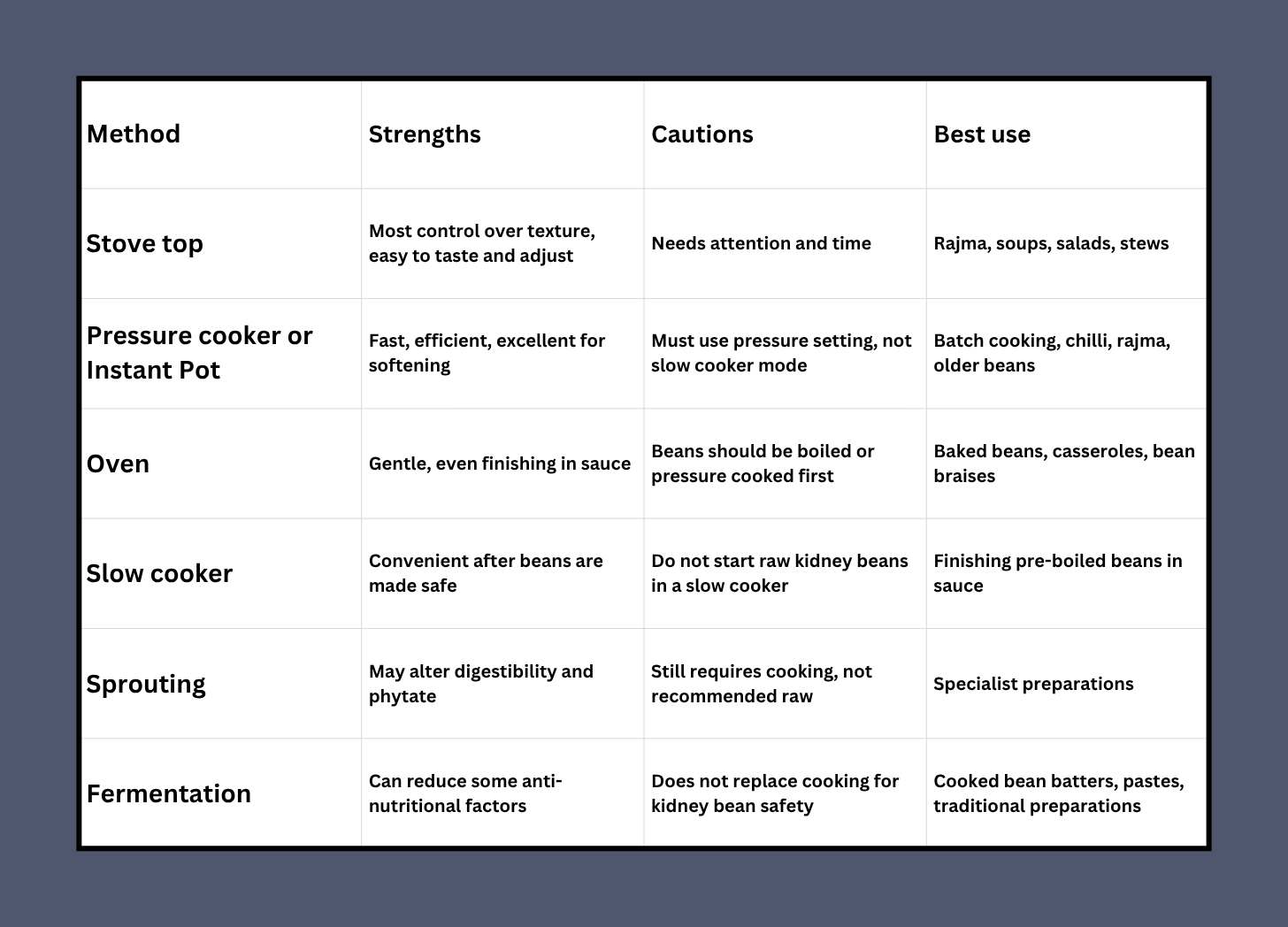
Cooking method also shapes the result. Stovetop cooking gives the cook the most control and allows the bean liquor to develop slowly. Pressure cooking, including Instant Pot or multicooker pressure settings, can produce tender beans much more quickly and is useful for older beans or busy kitchens. Oven cooking is best understood as a gentle finishing method for beans that have already been properly boiled or pressure cooked, especially when they are being folded into a sauce or masala.
Sprouting and fermentation also belong in the processing picture, although they do not replace proper cooking for kidney bean safety. Germination can help reduce phytates and change the biochemical profile of the seed as it begins to grow. Fermentation may further reduce some antinutrients and support digestibility, depending on the method used. Even so, kidney beans still require adequate heat before they are eaten.
This is the key point: kidney bean preparation is layered. Soaking, rinsing, fresh water, proper boiling or pressure cooking, and, in some preparations, sprouting or fermentation, all shape the final bean. Cooking is indispensable for safety, but these additional steps influence texture, digestibility, mineral availability and comfort.
I have written a separate Science Corner companion post on kidney bean preparation, where I look more closely at soaking, boiling, pressure cooking, oven cooking, sprouting, fermentation, antinutrients, starch behaviour and why some beans stay stubbornly hard. This shorter overview gives the essentials, while the companion post carries the deeper cooking science.
Table 3. Comparison of kidney bean preparation and cooking methods
Practical cooking notes
Salt can be added during cooking or once the beans begin to soften. Acidic ingredients such as tomato, vinegar, tamarind or lemon are best added after the beans are tender, because acid can slow softening.
Do not keep topping up with cold water unless necessary. If extra water is needed, add boiling water so the beans do not drop back into a low-temperature zone.
Avoid letting soaked beans sit for long periods in warm water. Holding beans around intermediate temperatures may contribute to hardening rather than softening.
Taste several beans before deciding they are cooked. A single soft bean can be misleading. The whole batch should be tender, creamy inside and free from a chalky centre.
Layman’s Notes
Kidney beans need time, water and proper heat.
Soaking wakes the bean up, but cooking makes it safe. A good boil matters. Pressure cooking is useful. Oven cooking is beautiful once the beans have already been made safe. Slow cookers should only be used after the beans have been boiled properly.
The aim is not just tenderness. It is safety, digestibility and that lovely creamy centre that makes kidney beans worth the wait.
Kidney beans are humble, but they are not simple. They are seeds with history, chemistry and character, carrying nourishment in a form that asks for patience before it becomes food. Their value lies not in one isolated nutrient or one fashionable compound, but in the whole bean: the protein, fibre, resistant starch, minerals, pigments, polyphenols and culinary memory held together in one small seed.
They also remind us that good cooking is a form of knowledge. Soaking, boiling, simmering, spicing and waiting are not merely old habits. They are the ways generations of cooks have learned to make beans safe, digestible and deeply satisfying. In a bowl of rajma, a pot of chilli, a slow bean stew or a simple bean salad, kidney beans bring steadiness to the table. They are economical, sustaining and generous food, provided we meet them with the care they require.
I have written this Science Corner as a companion piece to an upcoming collaborative post on Rajma Masala with Annada D. Rathi and Harshita saxena. We will be comparing our different cooking methods and recipes, looking at how stovetop cooking, oven cooking, pressure cooking and Instant Pot cooking shape the final dish. Follow along and you will learn all you need to make the best three Rajma Masala pots to enjoy with your family.
Thank you for reading Science Corner. If you enjoyed this post, I’d love you to share it, like it, and leave a comment. I truly love hearing from readers, and I read and respond to every comment.

©Lisa McLean 2026
References/Sources
An NT, Namutebi P, Van Loey A, Hendrickx ME. Quantitative assessment of molecular, microstructural, and macroscopic changes of red kidney beans (Phaseolus vulgaris L.) during cooking provides detailed insights in their cooking behavior. Food Research International. 2024 Apr 1;181:114098.
Athira, K.S., Tripathy, T.B., Sharma, S. and Harisankar, M.S., 2019. Shimbi Dhanya (pulses) as Ayurvedic food supplement for calcium deficiency. Journal of Ayurveda and Integrated Medical Sciences, 4(01), pp.47-50.
Bhide YS, Nehete JY, Bhambar RS. Botanical, chemical and pharmacological review of Phaseolus vulgaris L.(common bean): An ayurvedic medicinal plant. International Journal of Health Sciences. 2022;6(S5):11527-43.
Güzel D, Sayar S. Effect of cooking methods on selected physicochemical and nutritional properties of barlotto bean, chickpea, faba bean, and white kidney bean. Journal of food science and technology. 2012 Feb;49(1):89-95.
He S, Simpson BK, Sun H, Ngadi MO, Ma Y, Huang T. Phaseolus vulgaris lectins: A systematic review of characteristics and health implications. Critical reviews in food science and nutrition. 2018 Jan 2;58(1):70-83.
Kimothi S, Dhaliwal YS. Nutritional and health promoting attribute of kidney beans (Phaseolus vulgaris L.): A review. Int. J. Curr. Microbiol. Appl. Sci. 2020;9:1201-9.
Koriyama T, Sato Y, Iijima K, Kasai M. Kinetics of cooking presoaked and unsoaked dry legumes: Analysis of softening rate of soybeans and red kidney beans. Food Science and Technology Research. 2018;24(5):767-76.
Kumar S, Verma AK, Das M, Jain SK, Dwivedi PD. Clinical complications of kidney bean (Phaseolus vulgaris L.) consumption. Nutrition. 2013 Jun 1;29(6):821-7.
Nchanji EB, Ageyo OC. Do common beans (Phaseolus vulgaris L.) promote good health in humans? A systematic review and meta-analysis of clinical and randomized controlled trials. Nutrients. 2021 Oct 21;13(11):3701.
Punia S, Dhull SB, Sandhu KS, Kaur M, Purewal SS. Kidney bean (Phaseolus vulgaris) starch: A review. Legume Science. 2020 Sep;2(3):e52.
Sharma D, Rajoria S, Verma T. An Overview of Sharada Ritucharya. The World Journal of Pharmaceutical Research. 2023 Vol 12, (14), p771-779. retrieved on 13/5/26 from chrome-extension://efaidnbmnnnibpcajpcglclefindmkaj/https://wjpr.s3.ap-south-1.amazonaws.com/article_issue/7de665a4207909f695b34dcb78721861.pdf
Tanwar M, Tanwar B, Tanwar RS, Kumar V, Goyal A. Himachali dham: Food, culture, and heritage. Journal of Ethnic Foods. 2018 Jun 1;5(2):99-104.
Uebersax MA, Cichy KA, Gomez FE, Porch TG, Heitholt J, Osorno JM, Kamfwa K, Snapp SS, Bales S. Dry beans (Phaseolus vulgaris L.) as a vital component of sustainable agriculture and food security—A review. Legume science. 2023 Mar;5(1):e155.
USDA Kidney bean data - Retrieved on 15th May 2026 from https://fdc.nal.usda.gov/food-details/175194/nutrients
Wani IA, Sogi DS, Wani AA, Gill BS. Physical and cooking characteristics of some Indian kidney bean (Phaseolus vulgaris L.) cultivars. Journal of the Saudi Society of Agricultural Sciences. 2017 Jan 1;16(1):7-15.
Weng J, Zhu Y, Wen A, Qin L. Butyric acid generation from kidney beans mediated by gut microbiota based on the butyryl-CoA: acetate CoA-transferase pathway. Food Bioscience. 2024 Feb 1;57:103520.
Xu S, Qin L, Mazhar M, Zhu Y. Functional components profile and glycemic index of kidney beans. Frontiers in Nutrition. 2022 Nov 2;9:1044427.
Zamindar N, Baghekhandan MS, Nasirpour A, Sheikhzeinoddin M. Effect of line, soaking and cooking time on water absorption, texture and splitting of red kidney beans. Journal of food science and technology. 2013 Feb;50(1):108-14.
Zhang Z, Liu C, Wu S, Ma T. The non-nutritional factor types, mechanisms of action and passivation methods in food processing of kidney bean (Phaseolus vulgaris L.): a systematic review. Foods. 2023 Oct 9;12(19):3697.
Such a deep dive into Kidney beans. Incredible work, Lisa! I only really had Kidney beans in Beef chilli and refried beans. I honestly didn’t know if their health benefits. Thank you for sharing, Lisa-
Love reading about (and eating!) beans of all kinds. I think when cooked right and eaten regularly, they don’t cause as much flatulence as rumored, but I may be wrong about that. I make turkey chili quite often with kidney beans.